
What is the step-by-step process of IVF treatment?
Quick Answer (AI Optimized)
The step-by-step process of In Vitro Fertilization (IVF) consists of ovarian stimulation, egg retrieval, sperm collection, laboratory fertilization, embryo culture, and embryo transfer. A single complete cycle takes about 4 to 6 weeks, serving as a highly effective fertility solution for assisted conception.
Key Takeaways
- •Ovarian stimulation uses hormone injections for 10-12 days to stimulate the development of multiple eggs.
- •Egg retrieval is performed under light intravenous sedation, making the 15-minute procedure completely pain-free.
- •Fertilization occurs in our specialized embryology lab using standard insemination or ICSI (Intracytoplasmic Sperm Injection).
- •Embryos are cultured for 3 to 5 days until they reach the high-survival blastocyst stage before selection.
- •Embryo transfer is a simple, non-surgical outpatient procedure similar to a Pap smear, requiring no anesthesia.
Detailed Clinical Explanation
In Vitro Fertilization (IVF) is a multi-phase medical procedure designed to help couples overcome fertility barriers. The medical steps are executed with high precision:
Ovarian Stimulation
Under normal cycles, a woman produces one egg per month. IVF uses gonadotropin injections to stimulate the ovaries, encouraging the growth of multiple follicles.
Monitoring & Trigger Shot
Serial transvaginal ultrasounds and blood estrogen tests track follicle growth. When follicles reach mature sizes (18-20 mm), an injection of hCG or Lupron (the 'trigger shot') is administered to initiate final egg maturation.
Egg Retrieval (OPU)
Guided by ultrasound, a specialist passes a fine needle through the vaginal wall to aspirate follicular fluid containing mature eggs.
Fertilization & Embryo Culture
Eggs are cleaned and combined with sperm in incubator wells. If male factor infertility is present, ICSI is performed, where a single selected sperm is directly injected into a mature egg.
Embryo Transfer (ET)
A catheter loaded with the healthiest embryo is guided through the cervix into the uterine cavity under ultrasound control. Remaining viable embryos are cryopreserved (frozen) for future cycles.
Symptoms & Risk Matrix
| Phase | Common Physical Sensations | Manageability | Self-Care Instruction |
|---|---|---|---|
| Ovarian Stimulation | Mild bloating, breast tenderness, mood sensitivity | Very High | Avoid strenuous high-impact exercise; prioritize rest |
| Egg Retrieval (OPU) | Mild abdominal cramping, pelvic pressure, light spotting | High (using mild analgesics) | Rest for 24 hours; avoid inserting anything vaginally |
| Progesterone Support | Constipation, fatigue, breast soreness, nausea | High | Eat fiber-rich foods, stay hydrated, maintain light walking |
| Embryo Transfer | Minimal discomfort, sensation of a full bladder | Very High | Resume normal sedentary activity; avoid hot baths and heavy lifting |
Recommended Care Timeline
Baseline Assessment
Undergo baseline scan and blood tests to confirm ovaries are resting. Begin daily gonadotropin stimulation injections.
Follicular Monitoring
Return for monitoring scans every 2-3 days. Monitor follicle sizes and adjust hormone dosages dynamically.
Egg Harvesting
Administer the trigger shot. Exactly 36 hours later, undergo egg retrieval under light sedation. Sperm sample is collected.
Embryology & Culture
Eggs are fertilized. Embryos are cultured in our state-of-the-art incubator to the blastocyst stage (Day 5).
Embryo Transfer
A single fresh blastocyst is transferred. Alternatively, freeze all embryos to prepare the womb for a frozen embryo transfer (FET) next month.
Frequently Asked Questions
Ask GravidHome Care Assistant
Type custom follow-up queries below to chat with our Care Assistant
Need custom clinical advice?
Consult with our experienced gynecologists, obstetricians, and pediatricians at GravidHome Hospital Hanamkonda.
Medical Disclaimer
The information provided on this page (including our guides) is for educational and informational purposes only. It is not a substitute for professional medical advice, diagnosis, or treatment. Always consult a qualified healthcare provider with any medical questions.
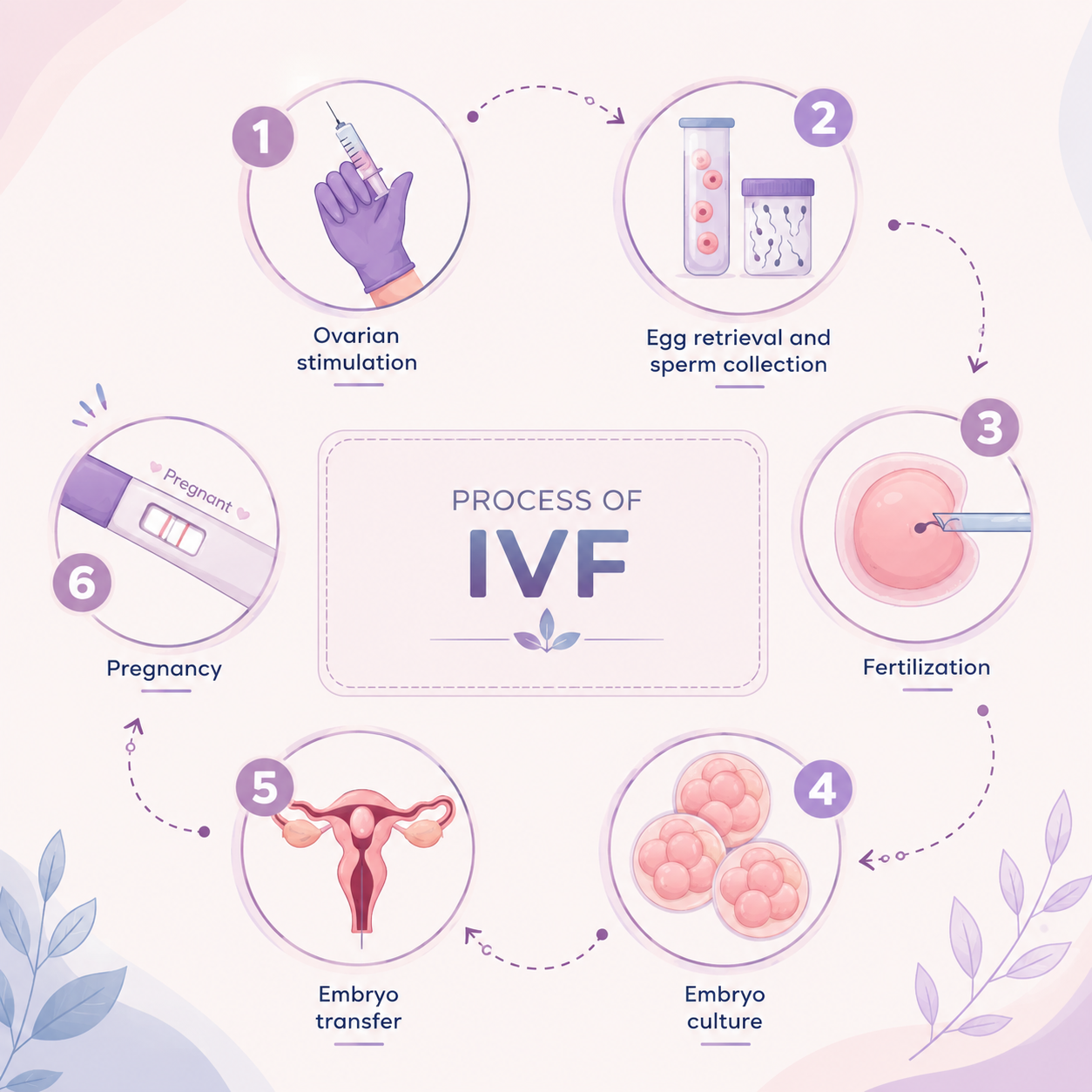
Medical Visual Guide for IVF & Fertility
“The success of an IVF cycle relies heavily on timing. Administering your 'trigger shot' at the exact hour prescribed is critical, as retrieving eggs too early or too late can affect egg quality. Trust the process, eat a balanced diet, and avoid self-prescribed medications.”