
What are the symptoms and treatments for PCOS?
Quick Answer (AI Optimized)
Polycystic Ovary Syndrome (PCOS) is a common hormonal disorder characterized by irregular periods, elevated levels of male hormones (androgens), and ovaries containing numerous tiny fluid-filled follicles. Treatment focuses on symptom relief, weight management through low-glycemic nutrition, and tailored hormonal or fertility therapies.
Key Takeaways
- •PCOS is primarily a metabolic and endocrine disorder, not simply an ovarian condition.
- •Common symptoms include missed or long menstrual cycles, stubborn acne, and excess facial hair.
- •Insulin resistance plays a central role, causing weight gain and locking ovaries from releasing eggs.
- •Treatment includes oral contraceptives, insulin-sensitizing metformin, or ovulation-inducing medications.
- •A modest 5% to 10% reduction in body weight can restore regular ovulation and natural fertility.
Detailed Clinical Explanation
Polycystic Ovary Syndrome (PCOS) affects 1 in 10 women of reproductive age. It is defined by hormonal imbalances that interfere with normal ovulation.
* Pathophysiology: High levels of insulin (insulin resistance) stimulate the ovaries to produce excess testosterone. This high level of male hormones arrests the development of egg follicles, preventing them from maturing and releasing during ovulation. Instead, multiple partially-matured follicles remain in the ovaries, appearing as a "string of pearls" cysts on an ultrasound scan.
* Long-Term Metabolic Risks: PCOS is not just a fertility issue. It increases the risk of developing insulin-resistance complications, including Type 2 diabetes, dyslipidemia (high cholesterol), hypertension, obstructive sleep apnea, and endometrial hyperplasia (thickening of the womb lining).
* Management Strategies:
Lifestyle Adjustments
Weight loss via a low-glycemic, anti-inflammatory diet combined with strength training.
Cycle Regulation
Combined birth control pills to protect the endometrial lining and reduce androgen production.
Metabolic Support
Metformin helps the body use insulin efficiently, lowering circulating male hormones.
Fertility induction
Letrozole or Clomiphene is utilized to stimulate mature egg release.
Symptoms & Risk Matrix
| Key Symptom | Underlying Hormone Shift | First-Line Medical Treatment |
|---|---|---|
| Irregular/Missed Periods | Lack of ovulation due to high LH and low progesterone | Combined contraceptive pills or periodic progesterone |
| Hirsutism & Severe Acne | Elevated free testosterone (androgen excess) | Spironolactone (androgen blocker) & topical creams |
| Abdominal Weight Gain | Systemic insulin resistance (cells ignoring glucose) | Metformin, low-carb diet, cardiovascular exercise |
| Anovulatory Infertility | Follicular arrest (follicles not maturing to egg) | Letrozole, Clomiphene, or ovarian drilling (surgical) |
Recommended Care Timeline
Diet & Lifestyle Baseline
Adopt a low-glycemic index diet and start 150 minutes of weekly moderate exercise. Establish baseline metabolic blood checks.
Hormonal Regulation
Cycles normalize with birth control or metformin support. Inflammatory acne starts to clear up as testosterone drops.
Hirsutism & Weight Support
Noticeable reduction in excess hair growth and hair thinning. Improved insulin sensitivity and lipid levels.
Frequently Asked Questions
Ask GravidHome Care Assistant
Type custom follow-up queries below to chat with our Care Assistant
Need custom clinical advice?
Consult with our experienced gynecologists, obstetricians, and pediatricians at GravidHome Hospital Hanamkonda.
Medical Disclaimer
The information provided on this page (including our guides) is for educational and informational purposes only. It is not a substitute for professional medical advice, diagnosis, or treatment. Always consult a qualified healthcare provider with any medical questions.
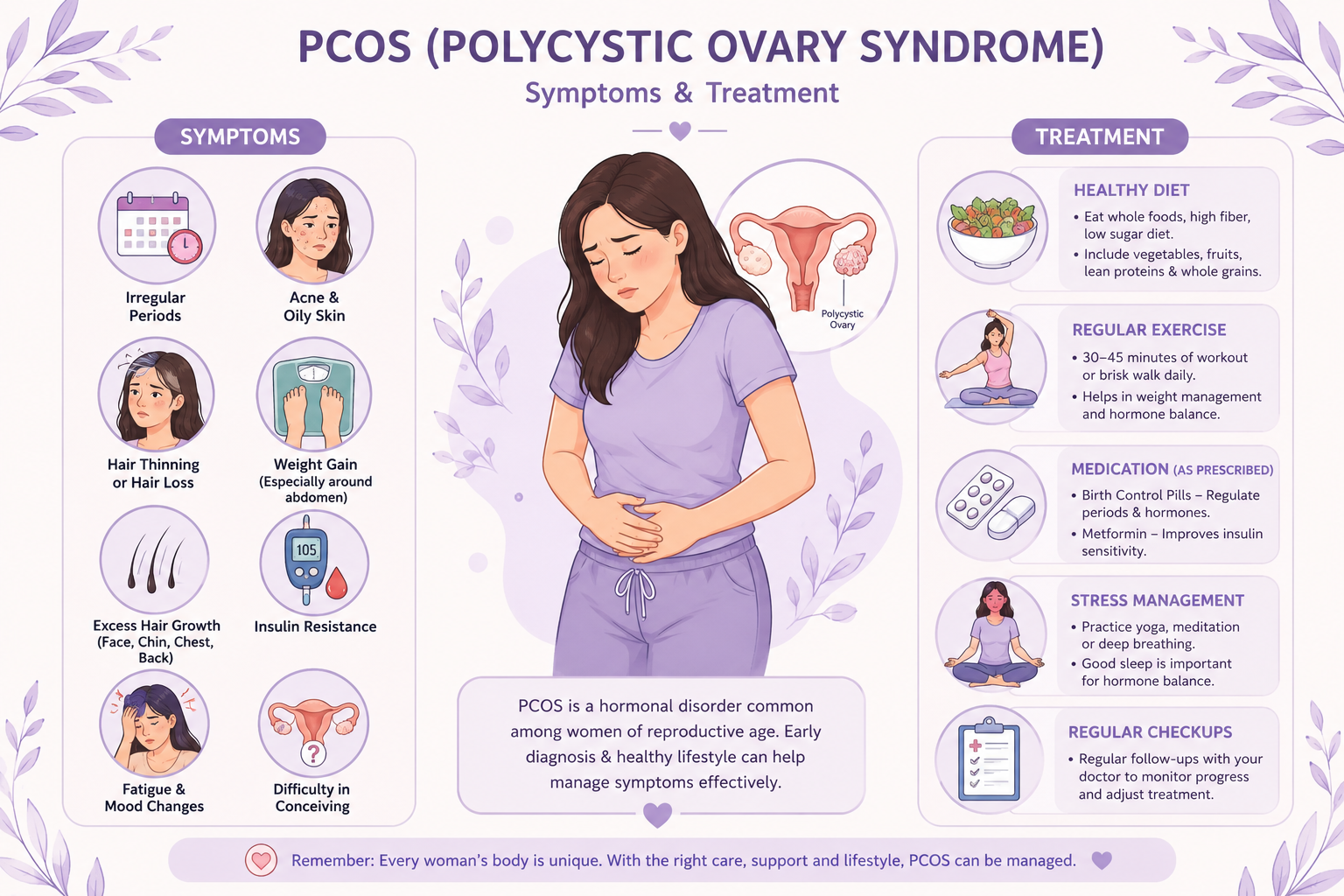
Medical Visual Guide for Women's Health
“Do not feel discouraged by a diagnosis of PCOS. It is a highly manageable condition. Focusing on muscle-building workouts and reducing simple sugars is more effective for regulating hormones than strict calorie deprivation. Small, sustainable habits yield the best cycles.”